Loading page
Each safety style states its EN ISO rating
Each safety style states its EN ISO rating
If the ground you stand on gets hot, the outsole is the part that fails first. A standard rubber or polyurethane sole softens, smears and can separate from the upper long before anything else on the boot gives up. HRO is the EN ISO 20345 mark that tells you the outsole has been tested against hot contact at 300 degrees Celsius for 60 seconds without melting or cracking, which is the difference between a boot that survives fresh tarmac, hot slag and warm roofing membrane and one that is scrap by the end of the week. Every style on this page has an outsole its manufacturer rates to 300 degrees Celsius, and many carry the HRO mark itself; the product page shows the exact marking and the full safety rating. We hold 274 heat resistant styles ready to order.
HRO means resistance to hot contact. The outsole is pressed against a surface held at 300 degrees Celsius for 60 seconds, then inspected: it must not melt, and it must not crack when flexed afterwards. It is an outsole test, so it tells you the sole will survive standing on something hot for short spells. It is not a rating for the upper, the lining or the toecap. We hold 274 styles with an outsole rated to 300 degrees Celsius; the product page shows which carry the HRO mark.
People use them interchangeably and they are not the same thing. HRO is hot contact resistance of the outsole at 300 degrees Celsius. HI is heat insulation of the whole sole complex, tested at 150 degrees Celsius for 30 minutes, which is what keeps your foot comfortable standing on a hot floor rather than protecting the sole itself. CI is cold insulation, the opposite case. Some styles here carry HRO and HI together, and several winter models add CI. Check the marking sequence on the product page and match it to the hazard.
Road surfacing and tarmac crews working on hot asphalt. Roofers on torch-on felt and hot bitumen. Welders, fabricators and foundry workers near slag, sparks and hot swarf. Glassworks, ceramics and kiln operators. Bakery, commercial kitchen and steam plant staff on hot floors. Anyone on a site where they walk across surfaces that have just been laid, poured or cut. If the sole of your last pair came back glazed, smeared or delaminated, this is the mark you were missing.
HRO is not a fire rating and it does not make a boot suitable for standing in molten metal or direct flame. For splash risk look for an HRO style with a quick-release lacing system and smooth, closed leather that will not trap spatter, and consider a metatarsal guard. For fuel and oil contact check for the FO mark, and for sparks and slip risk together look at the SR slip ratings stated per model. The S-rating still governs the rest of the boot, so pick the rating first, then the heat marks.

Boots · SJ-MAYONS3S

Boots · COFRA-36393

Boots · FD04

Boots · SJ-GORAS7

Boots · FC39

Boots · FD22

Boots · SJ-VESUVIOS3M

Boots · GB-30178
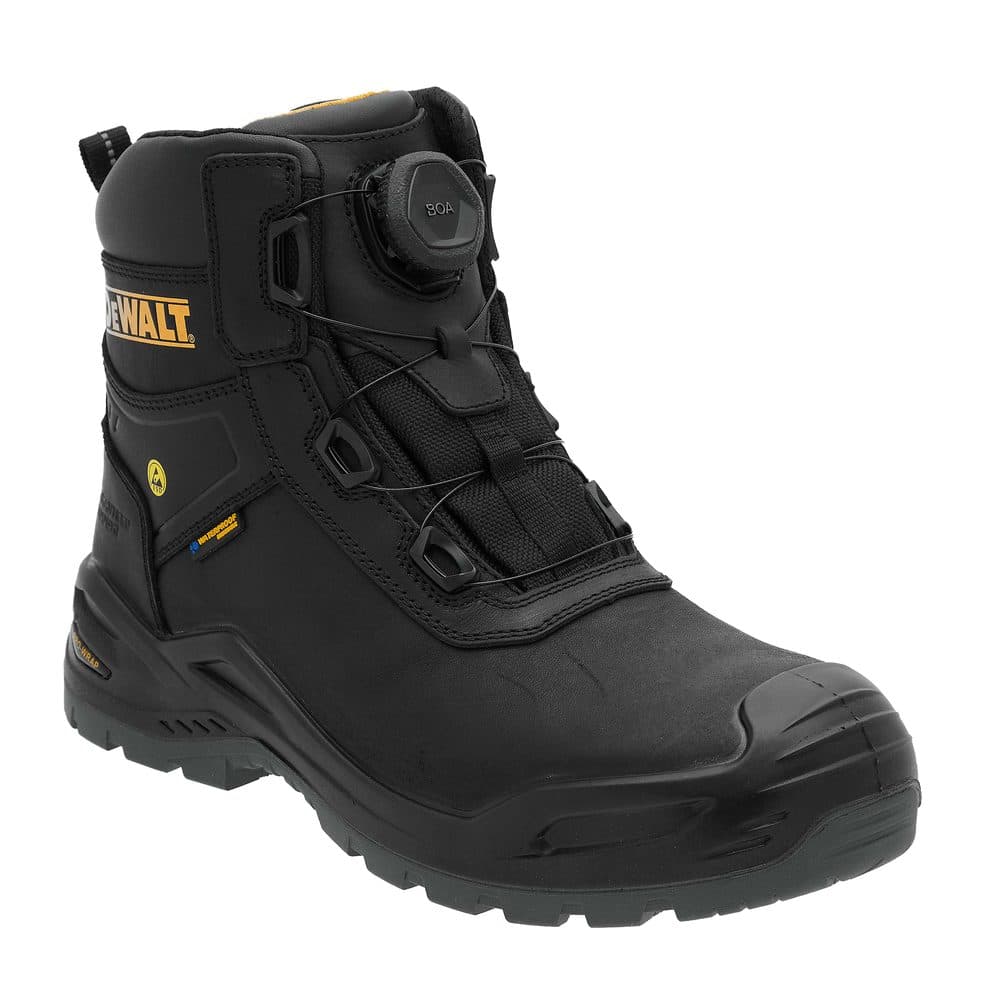
Boots · LANDERBLACK

Boots · FV03

Boots · SJ-BESTBOY259

Boots · FC60
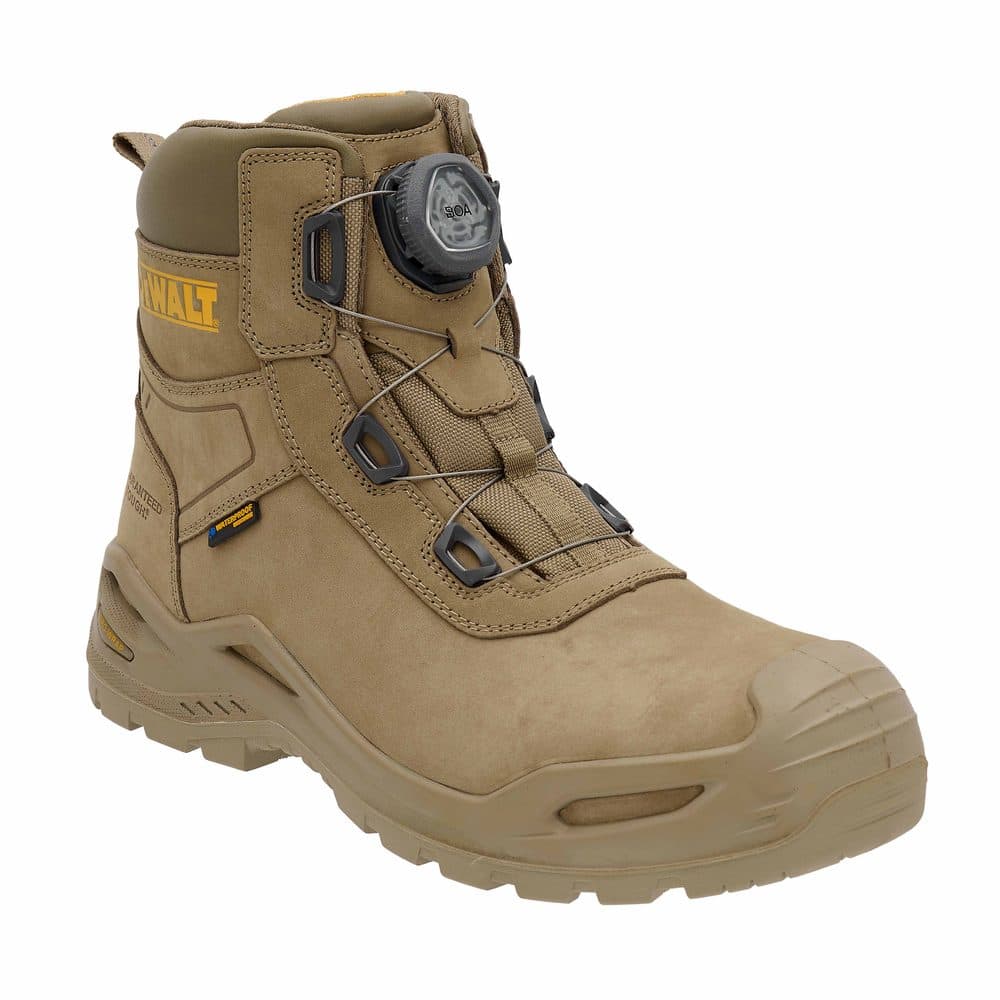
Boots · LANDER

Shoes · SJ-MDLOLEAS3L

Shoes · SJ-VESUVIOS3L

Boots · SJ-MDLOPUVELM

Boots · SJ-MDLOLEAS3M
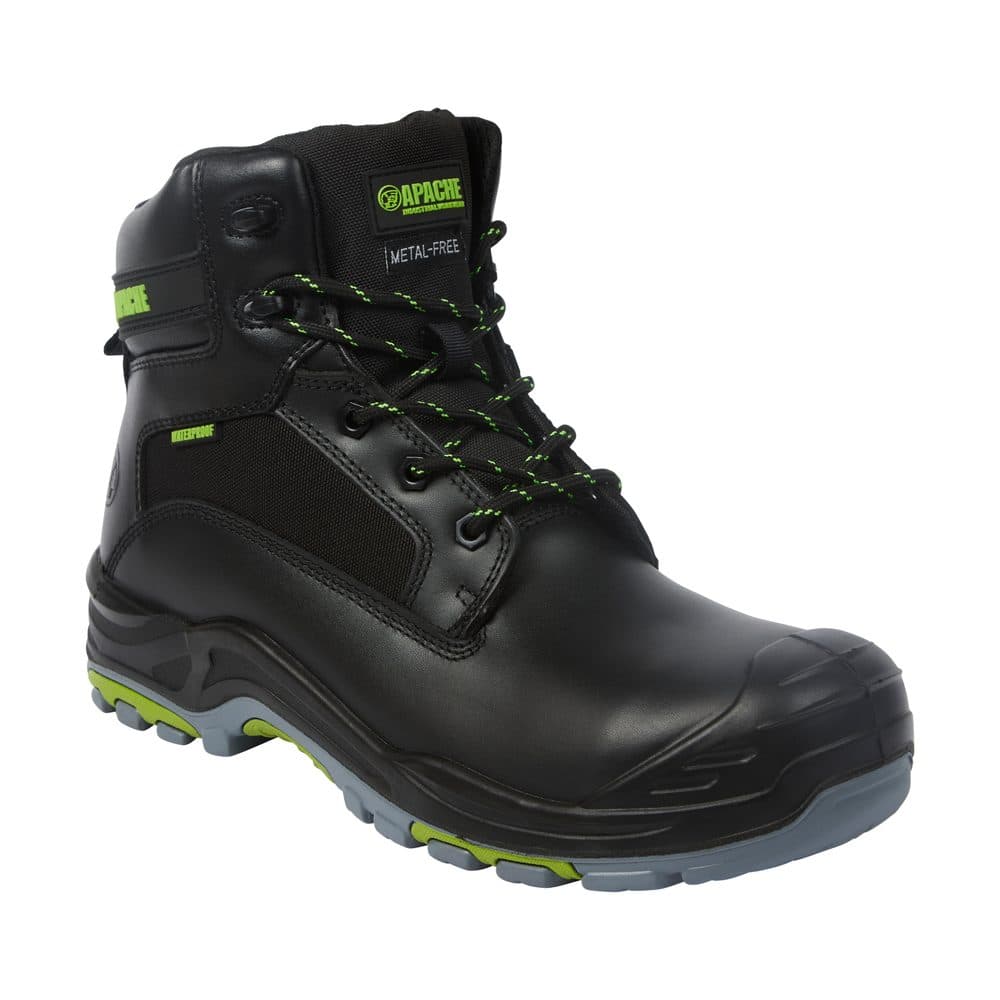
Boots · DAKOTA

Boots · SJ-X430
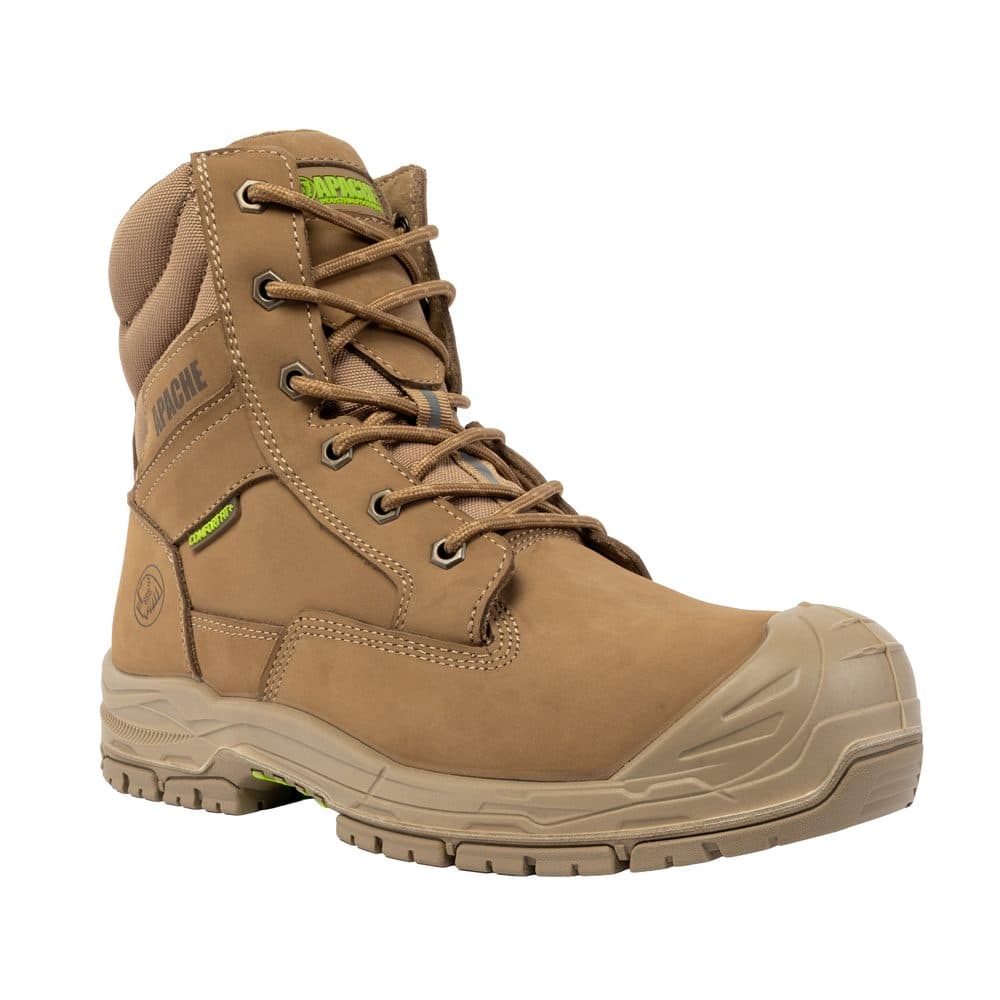
Boots · OUTBACK

Trainers · FW34

Boots · SJ-LABOR

Boots · SJ-MDLCHS3SMT
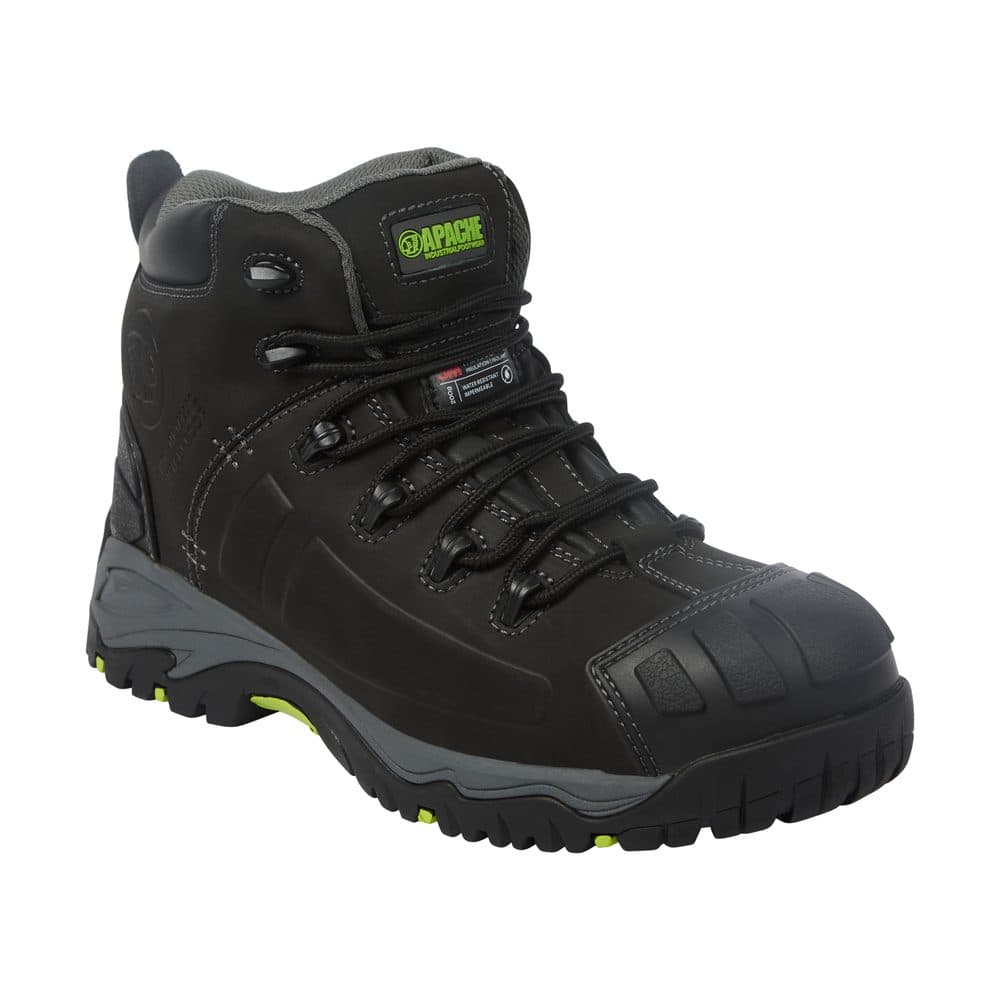
Boots · MERCURY
The heat marks under EN ISO 20345 answer two separate questions and it pays to know which one you are asking. HRO asks whether the outsole itself survives brief contact with something hot: the sole is held against a 300 degrees Celsius surface for a minute, then flexed, and it passes only if it neither melts nor cracks. HI asks whether heat travels through to your foot: the sole complex sits on a 150 degrees Celsius plate for half an hour and the temperature rise inside the boot is measured. A tarmac gang needs HRO because the sole is what touches the hot material. Someone stationed on a permanently warm factory floor benefits more from HI. Some of the styles here carry both, and the marks are always listed after the S-rating on the product page, for example S3 HRO HI CI SRC.
Once the heat marks are settled, the S-rating decides the rest of the boot. S1P gives you a toecap, an antistatic build and a penetration-resistant midsole in a lighter, non-waterproof shoe, which suits dry indoor heat such as bakeries and glassworks. S3 adds a water-resistant upper and a cleated outsole for outdoor work, and it is the sensible default for surfacing and roofing crews, so it is worth browsing our S3 safety boots collection alongside this page. S7 and the newer S7S and S3S ratings under the 2022 revision of the standard bring full waterproofing and non-metallic penetration protection, which suits winter roofing and groundworks where heat and standing water arrive together, and our safety boot ratings guide explains those marks in full. If sparks and metal detectors are both a factor, a composite toecap keeps the boot non-metallic, and you can filter for that in our metal-free safety footwear range. Fit varies noticeably between brands on heat-rated soles because the outsole is thicker, so check our size and fit guide before you order, and note that qualifying safety boots bought for your own use at work carry no VAT, confirmed with one tick at checkout.