Loading page
Each safety style states its EN ISO rating
Each safety style states its EN ISO rating
A protective toecap covers your toes, but a dropped kerbstone, a rolling drum or a falling tool usually lands further back, across the fine bones on the top of the foot. Metatarsal safety boots add a guard over exactly that area, tested under EN ISO 20345 and shown by the M marking on the certification label, so impact is spread and absorbed before it reaches the bone. They are the standard choice in foundries, rail, forestry, demolition and heavy materials handling. We list 27 metatarsal styles ready to order.
Metatarsal protection is a coded additional requirement of EN ISO 20345, the standard safety footwear is rated against. A boot carrying the M marking has passed an impact test across the metatarsal area, over and above the 200 joule toecap test, so the protection is verified by an independent test house rather than claimed by the manufacturer. Check the certification label inside the boot for the M alongside the S rating.
This collection covers both approaches to metatarsal protection. External guards sit over the laces and deflect impact away from the foot, a format proven in foundries and heavy industry. Internal systems build energy-absorbing polymer layers into the tongue and forefoot, materials engineered to stay flexible as you walk and stiffen instantly under impact, giving a boot that looks and moves like a standard safety boot.
Selected styles pair a composite toecap and non-metallic midsole with metal-free metatarsal protection, keeping weight down over a long shift and avoiding the cold transfer that steel components bring in winter. Metal-free builds also suit sites with security screening. Where maximum rigidity matters, traditional steel metatarsal covers and steel toecaps remain available in the collection.
The collection runs from hi-leg waterproof boots with quick-access zip entry for outdoor and heavy civil work, through S3 rated general site boots, to a lower-cut metatarsal safety shoe suited to indoor industrial floors. There is also a women's specific build, so metatarsal protection does not mean compromising on fit. Many styles add waterproof membranes for wet ground and all-weather work.

Boots · COFRA-36393

Boots · GB-26171

Boots · FD25

Boots · FD26

Boots · GB-35742

Boots · FW22

Boots · GB-20439
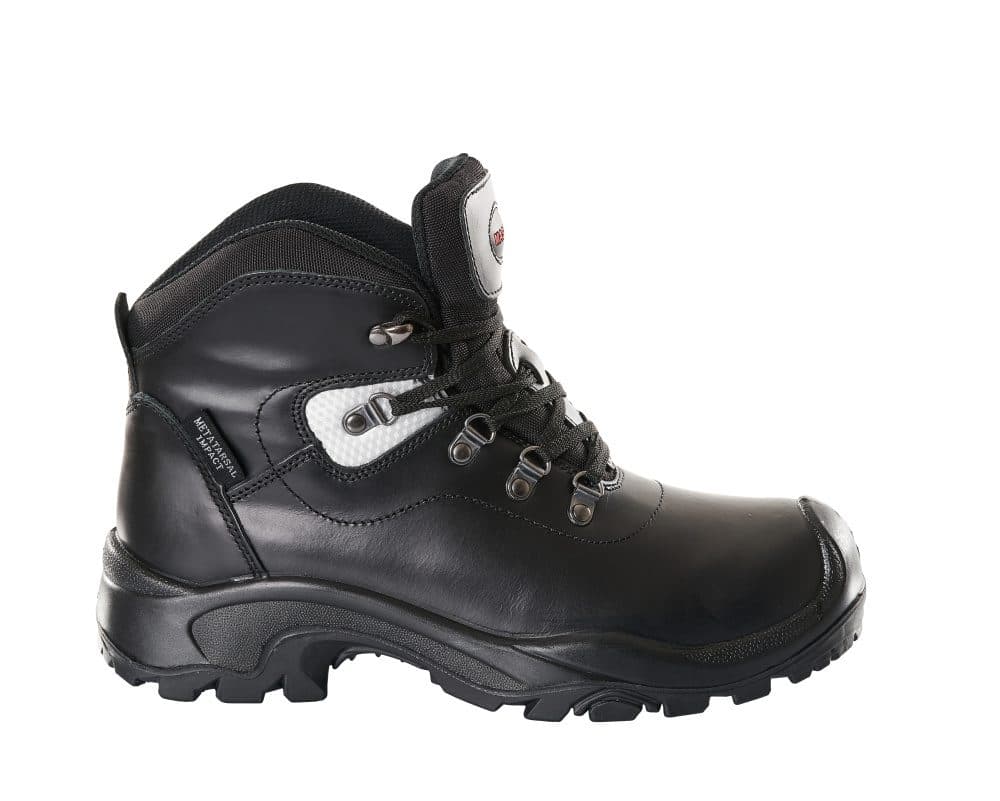
Boots · MA-F0220-902
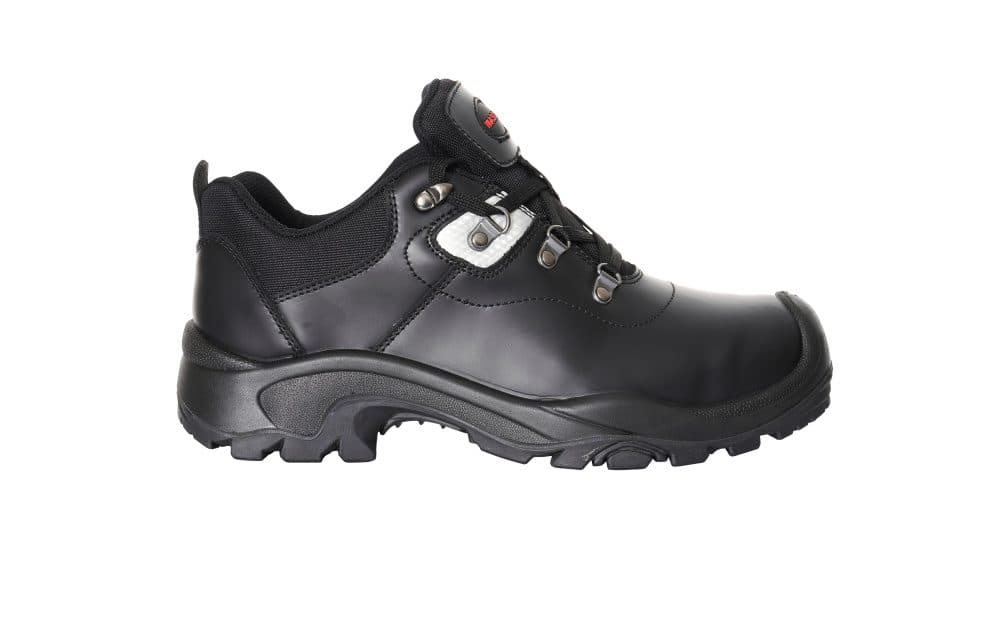
Shoes · MA-F0221-902

Boots · GB-44910

Boots · GB-44909
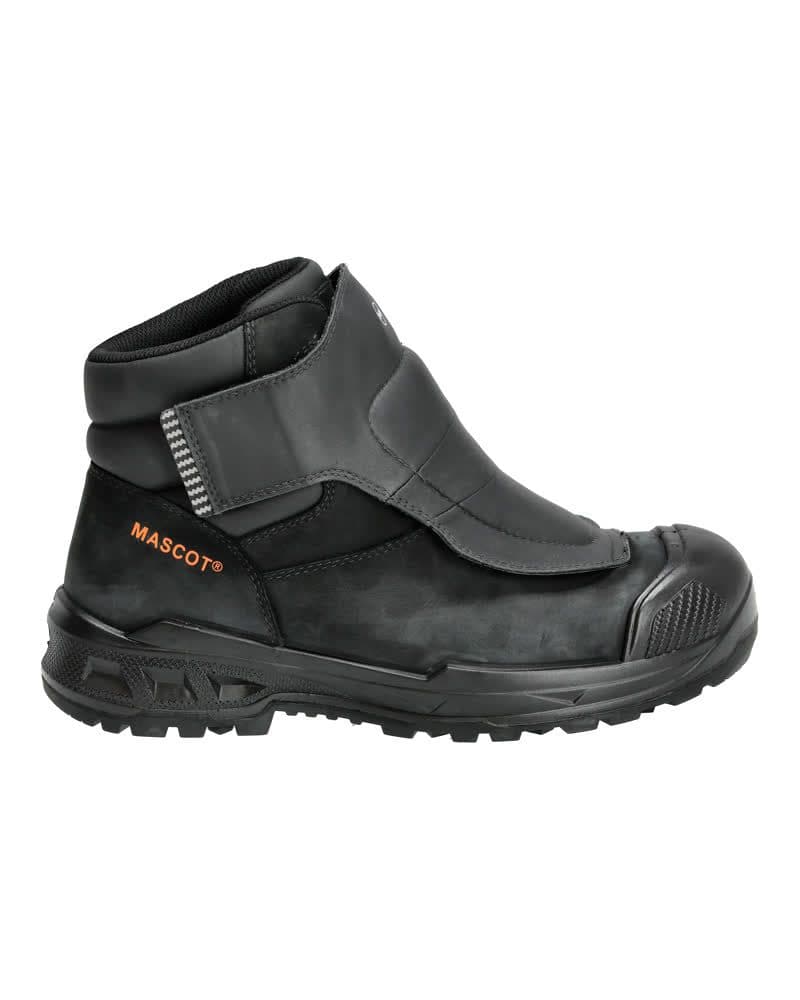
Boots · MA-F1102-901

Boots · GB-44908

Boots · BW-CF5BL

Boots · BW-CF9M

Boots · BW-CF66

Boots · GB-38334

Boots · TRK224

Boots · BW-JCB820

Boots · GB-29736
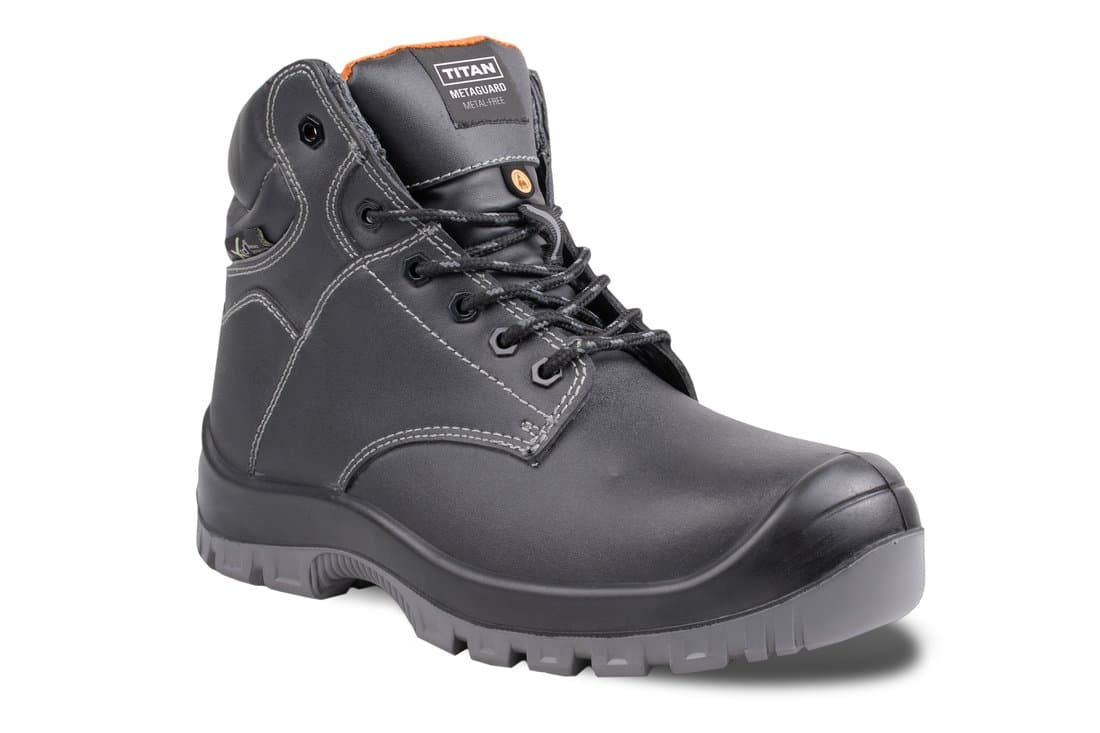
Boots · TC30

Boots · GB-31376

Shoes · B0473

Boots · BW-CF68
Crush and impact injuries to the top of the foot are among the most common serious foot injuries in heavy industry, and a standard safety boot leaves that area protected only by leather and laces. Metatarsal boots close the gap. External designs use a hinged or moulded cover over the instep, while modern internal designs use impact-absorbing polymers bonded into the boot itself, a format that has made metatarsal protection far more comfortable and far more widely worn than the rigid guards of the past.
Start with the S rating your site requires, then add the M marking on top. Most boots here are rated S3, combining the protective toecap with a penetration-resistant midsole, antistatic properties and a water-resistant upper; our S3 safety boots collection explains the full rating ladder. If your site restricts metal or you simply want a lighter boot, several styles here are fully metal-free, and our size and fit guide will help you get the fit right first time. Many work boots also qualify for VAT relief when bought for your own use at work, confirmed with one tick at checkout.