Loading page
Each safety style states its EN ISO rating
Each safety style states its EN ISO rating
A rigger boot earns its place on site by being the fastest boot to get on and off. There are no laces to tie, just two pull loops and a wide opening, so you can be booted and ready before the kettle has boiled and out of them just as quickly at the end of a muddy shift. The design came from oil rig crews and spread to groundworkers, scaffolders, agriculture and yard work, anywhere people climb in and out of boots all day and want ankle support without the fuss of lacing. We list 28 rigger styles ready to order.
Each rigger boot states its own safety rating on its product page. Many carry an S3 rating, which adds a 200 joule toecap, a penetration-resistant midsole, antistatic properties and a water-resistant upper, so a single pull on boot covers most groundwork and yard duties. The convenience of a laceless design never has to come at the cost of protection.
Twin pull loops and a wide padded collar let you get in and out in seconds, which is why riggers suit anyone climbing in and out of a cab or on and off ladders through the day. Across the 28 styles here you will find snug and generous fits, so if you wear thick socks or want an easy on and off in cold weather, there is a last to match. Sizing runs a touch roomier than a laced boot, so our size guide is worth a look before ordering.
A large part of the collection pairs the pull on design with an S3 or waterproof build, from water-resistant leather uppers to full waterproof membranes, with several winter styles adding warm lining for cold outdoor work. That combination suits groundworks, farming, forestry yards and anyone moving between mud and hard standing without wanting to stop and lace up.
Choose a traditional steel toecap for a proven, hard-wearing build, or a composite toecap where you want to keep weight down and avoid the cold spot steel creates in winter. Composite and non-metallic styles also help where security screening is part of the day. A protective kiltie or bellows tongue features on many styles to keep debris out of the wide opening on demolition and ground works.
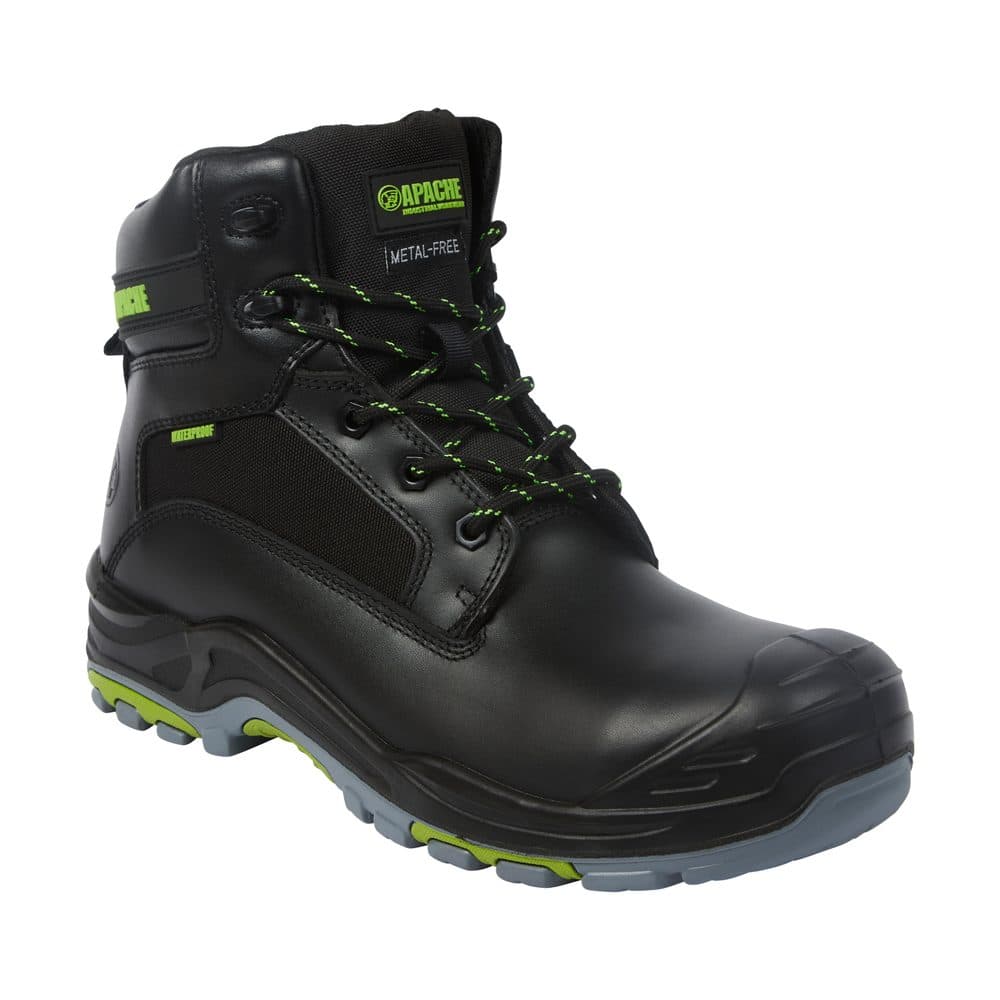
Boots · DAKOTA
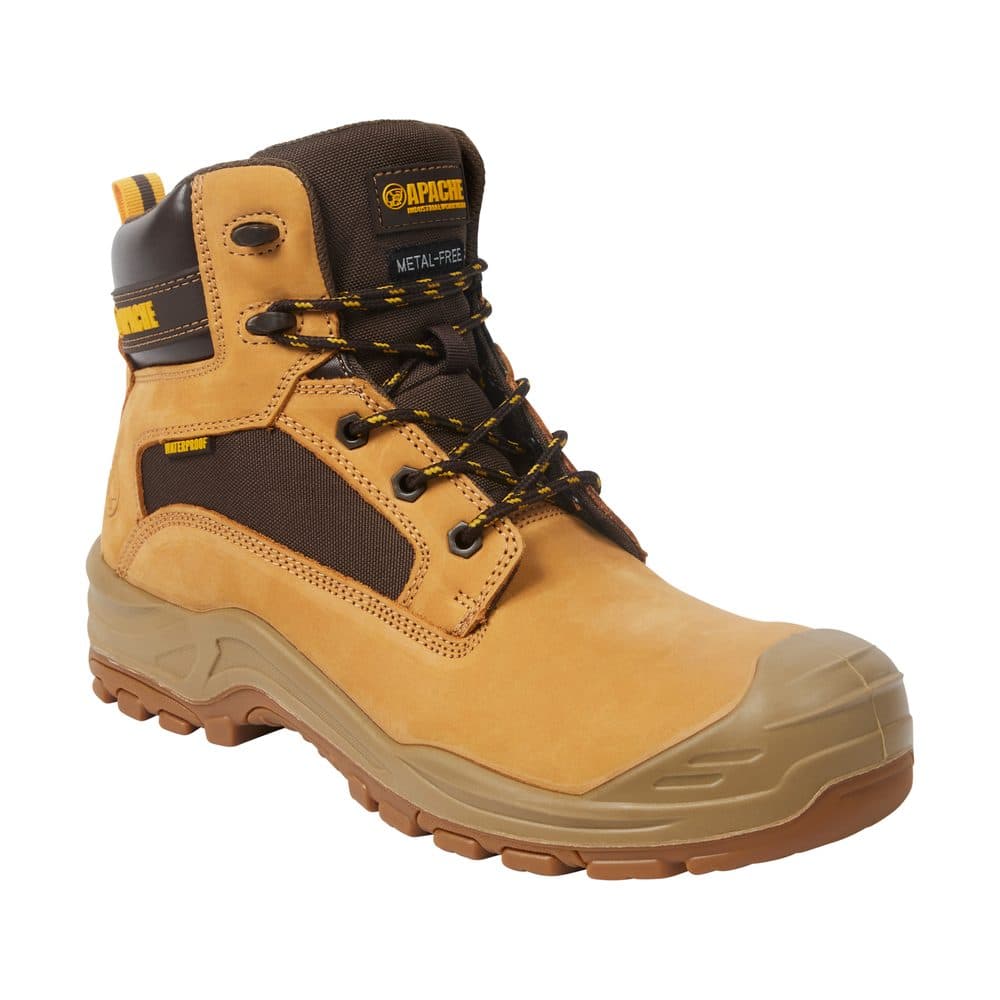
Boots · ARIZONA

Rigger Boots · FW75

Rigger Boots · FC16

Rigger Boots · FW06
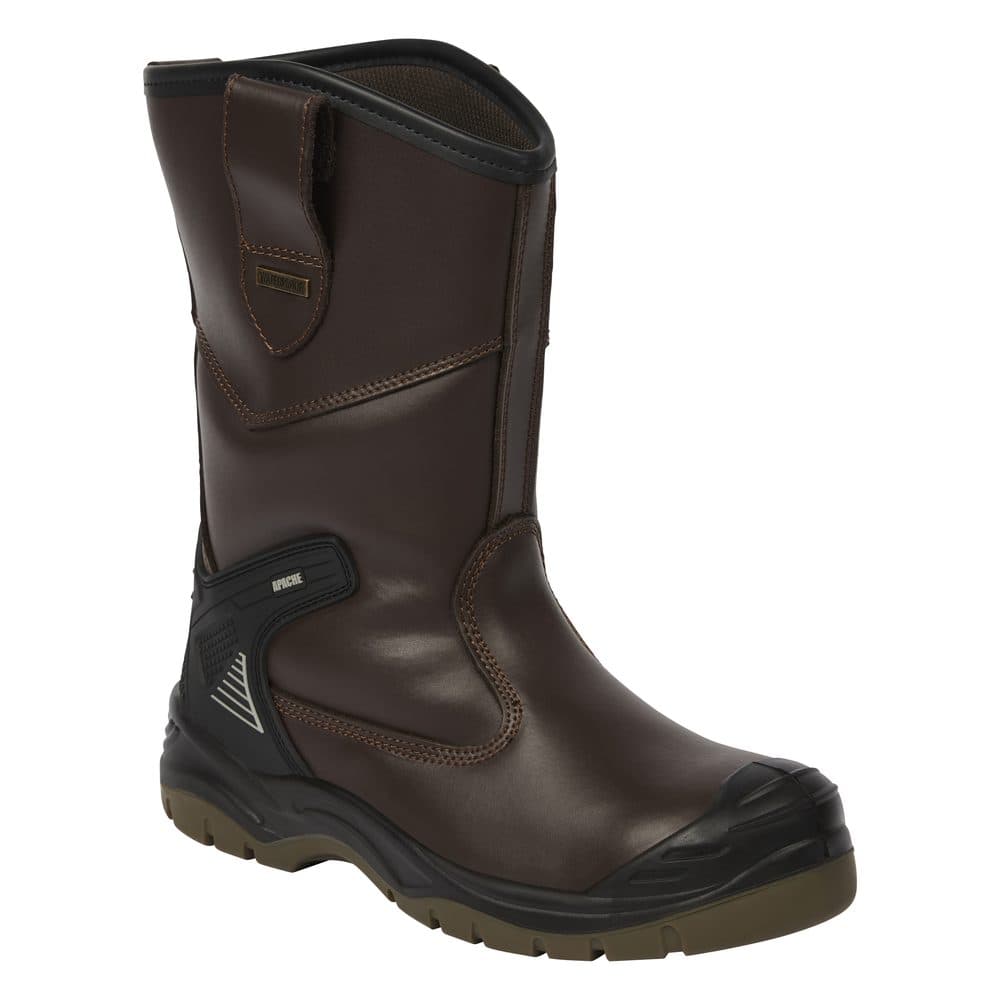
Boots · AP305

Boots · SJ-PROMOMAYON
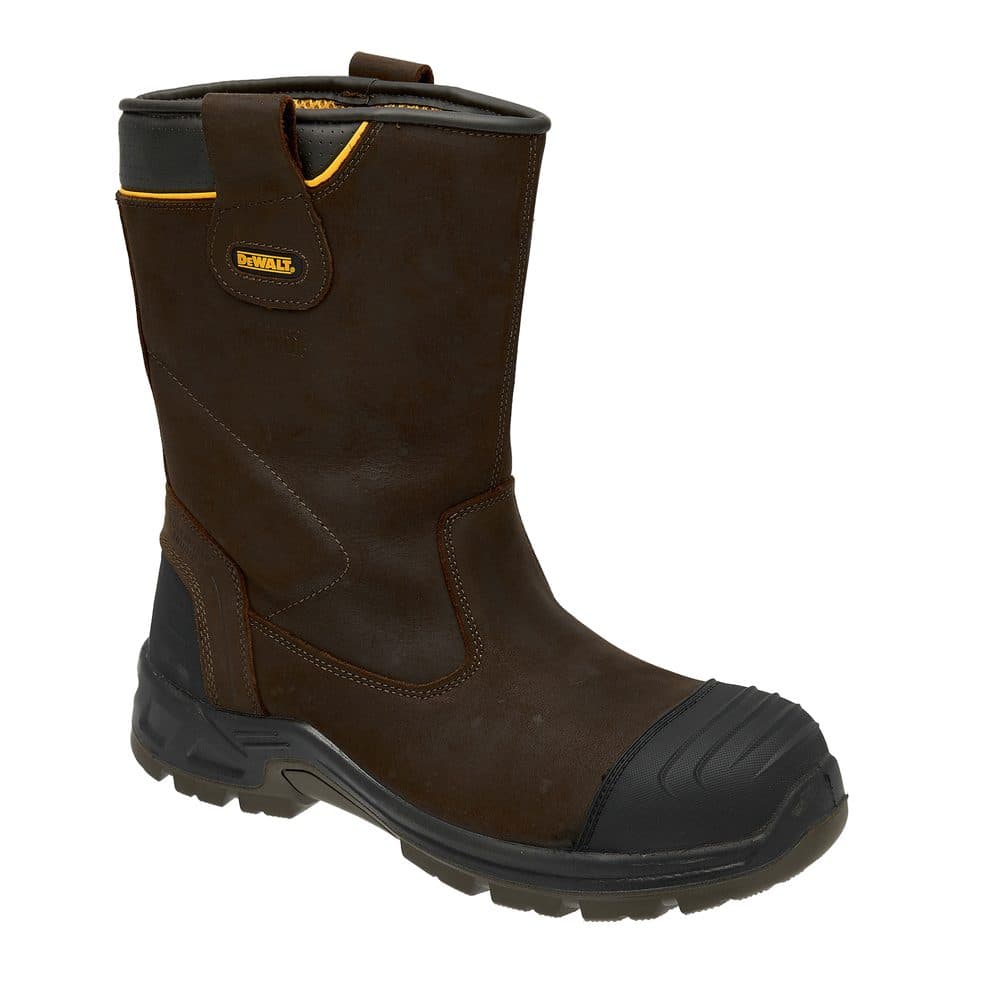
Boots · MILLINGTON

Boots · GB-20431

Boots · SJ-PROMOCALDE

Rigger Boots · FW13

Rigger Boots · FT13

Boots · GB-18283

Boots · GB-20427

Rigger Boots · FW29

Rigger Boots · BW-RBLS
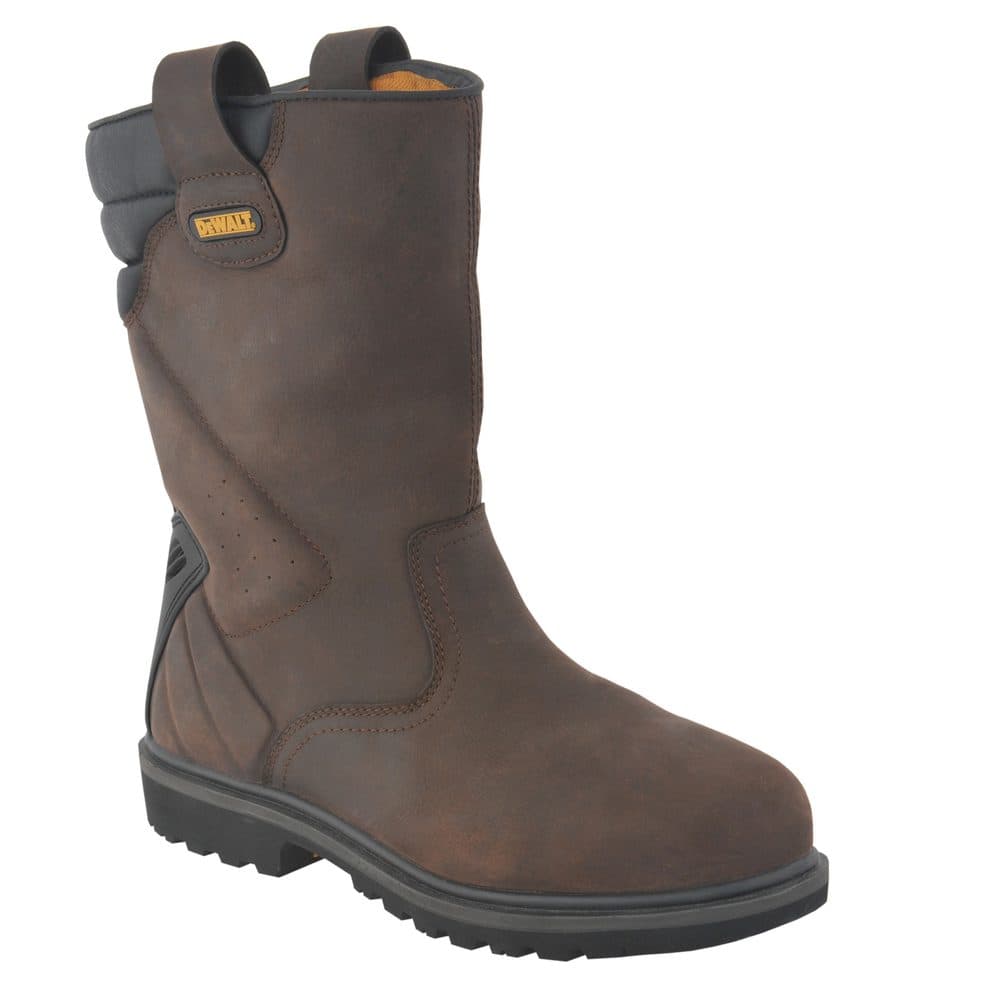
Rigger Boots · RIGGER

Rigger Boots · BW-RBLSSC
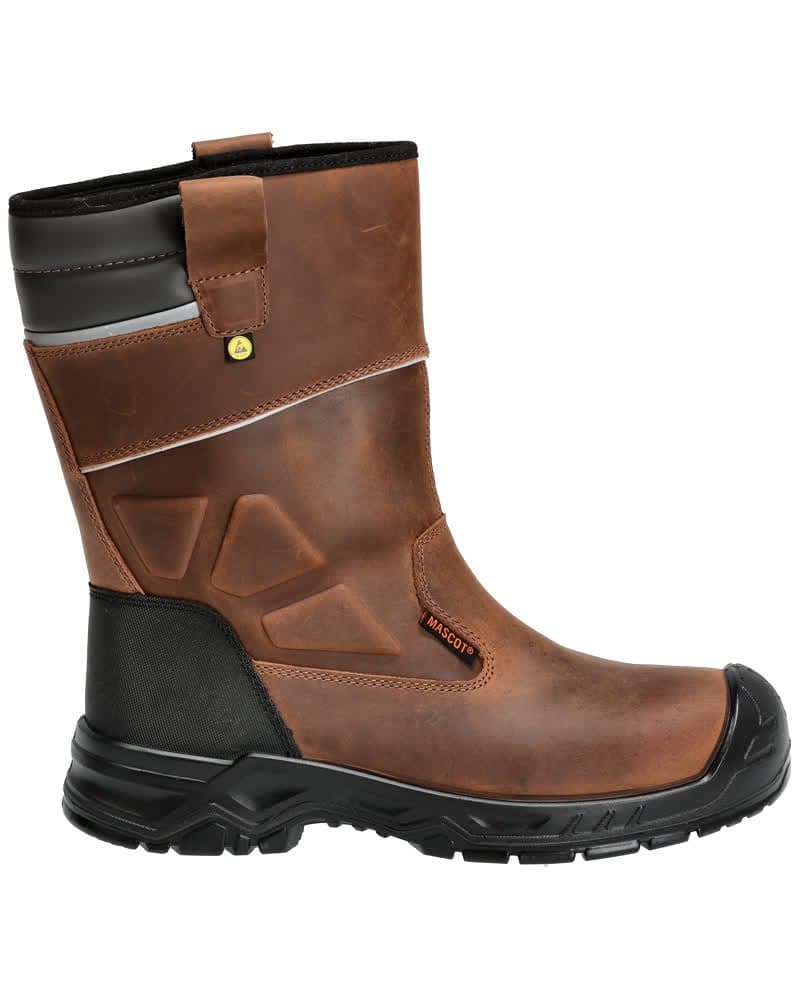
Boots · MA-F1003-715

Boots · GB-28126

Rigger Boots · FD07
Rigger Boots · BW-RBUS

Rigger Boots · BW-CF8

Rigger Boots · BW-DENSTONE-DB
Rigger boots were born on the oil rigs, where crews needed footwear that came off fast and did not trap water, and the design has since become a site favourite for groundworkers, scaffolders, farmers and yard teams. The appeal is simple: no laces to tie with cold or gloved hands, a wide opening you can drive your foot straight into, and a padded collar that still supports the ankle. Work brands like Portwest and Amblers Safety build rigger ranges across steel and composite toecaps, and the pull loops mean one quick tug gets you in at the start of a shift and out at the end without bending down.
When choosing, start with the protection rating your work requires. S3 styles combine the 200 joule toecap with a penetration-resistant midsole and a water-resistant upper, which covers most outdoor and groundwork roles, and our waterproof safety boots collection collects the styles built to keep water out entirely. Decide between a steel toecap for a classic hard-wearing build and a composite toecap where you want less weight and no cold spot in winter; our metal-free and composite collection explains the difference. Because rigger boots are laceless, fit matters more than usual, so our size and fit guide covers sizing across the brands here, including the roomier winter lasts. Many work boots also qualify for VAT relief when bought for your own use at work, confirmed with one tick at checkout.