Loading page
Each safety style states its EN ISO rating
Each safety style states its EN ISO rating
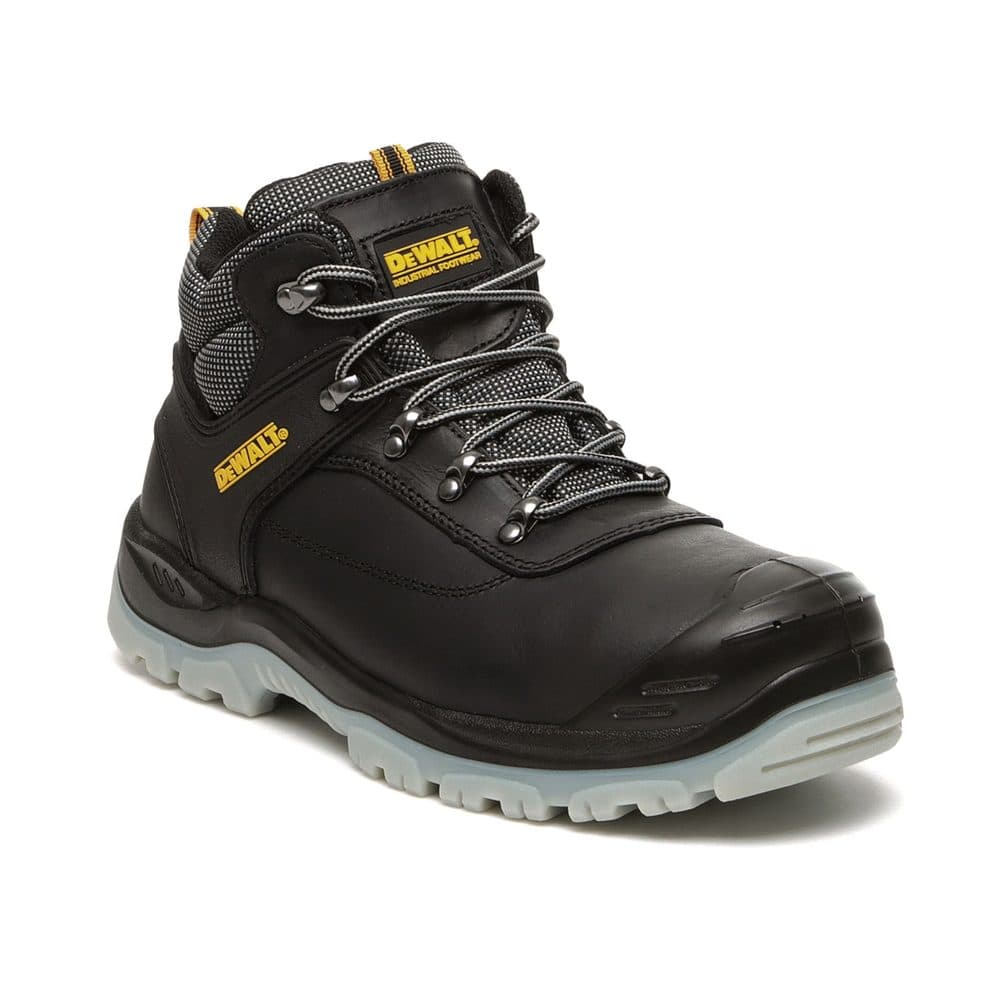
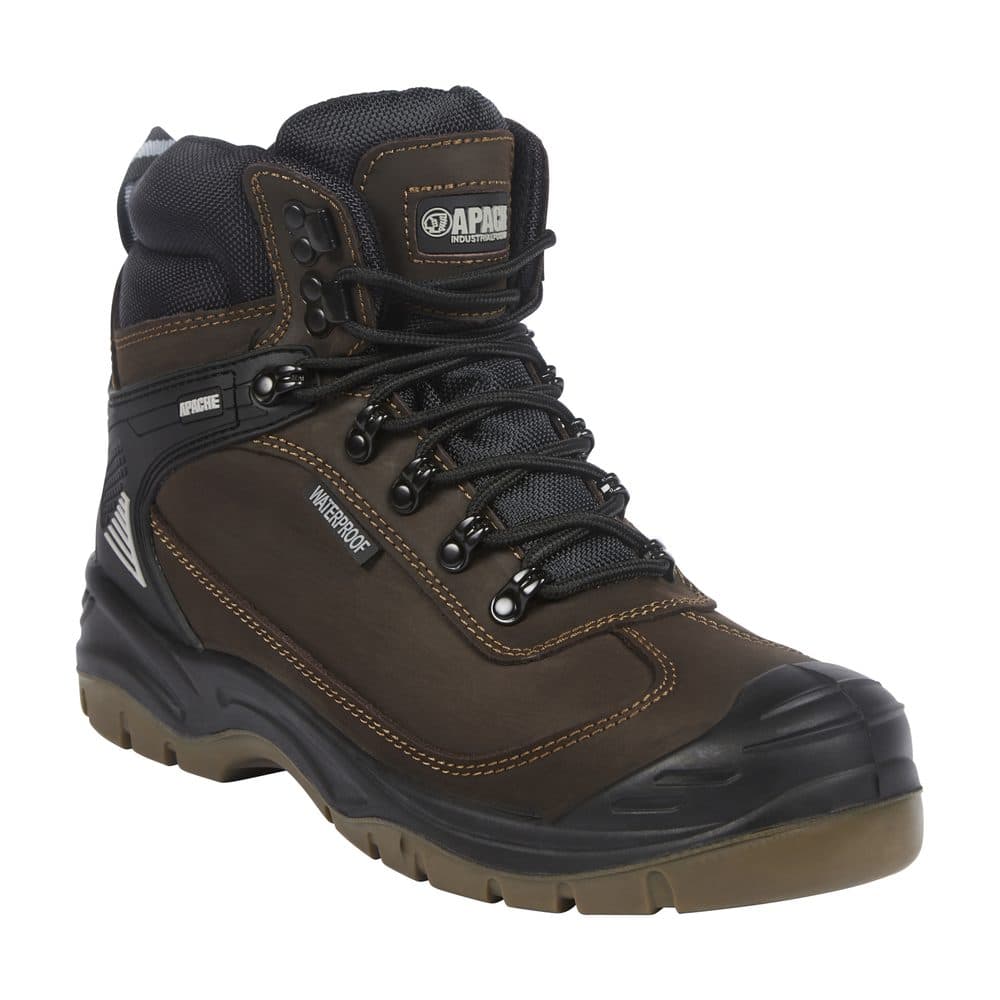
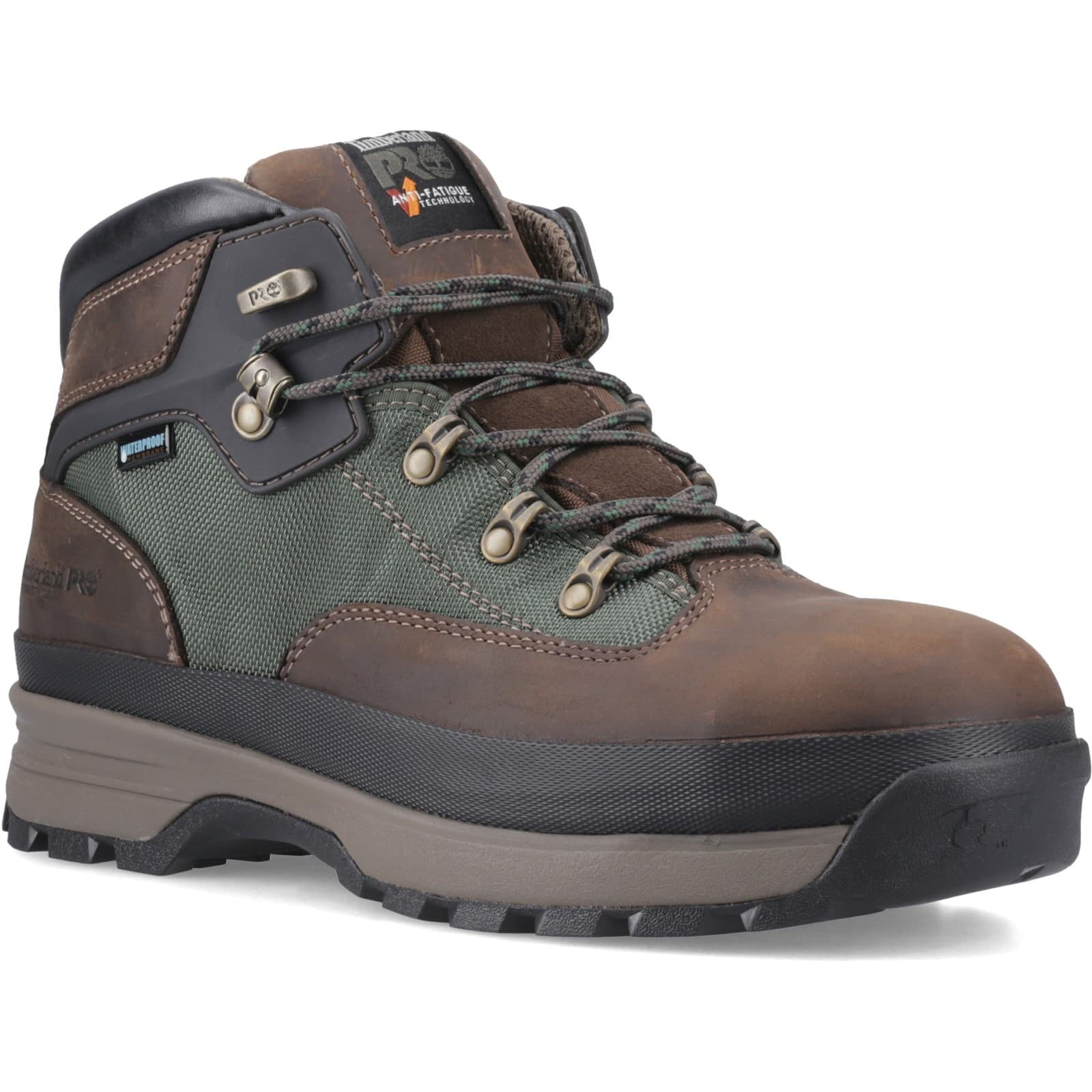
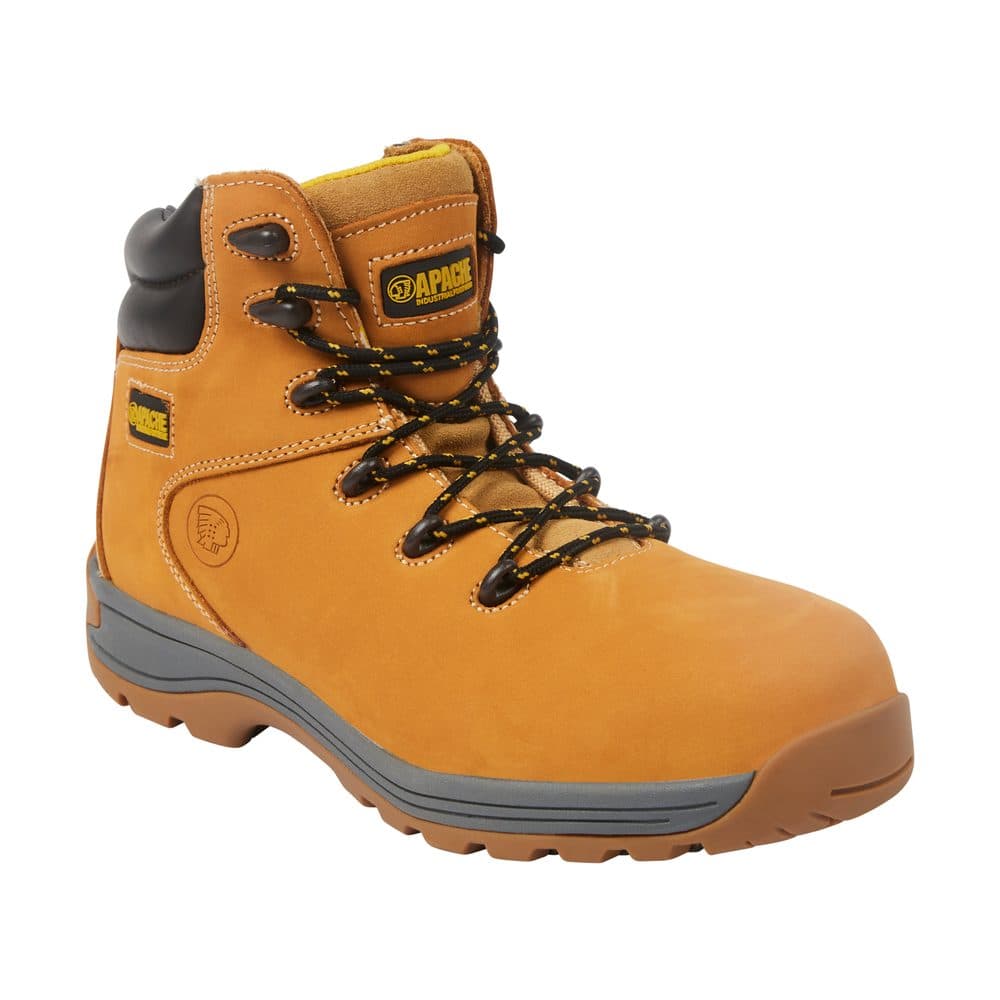
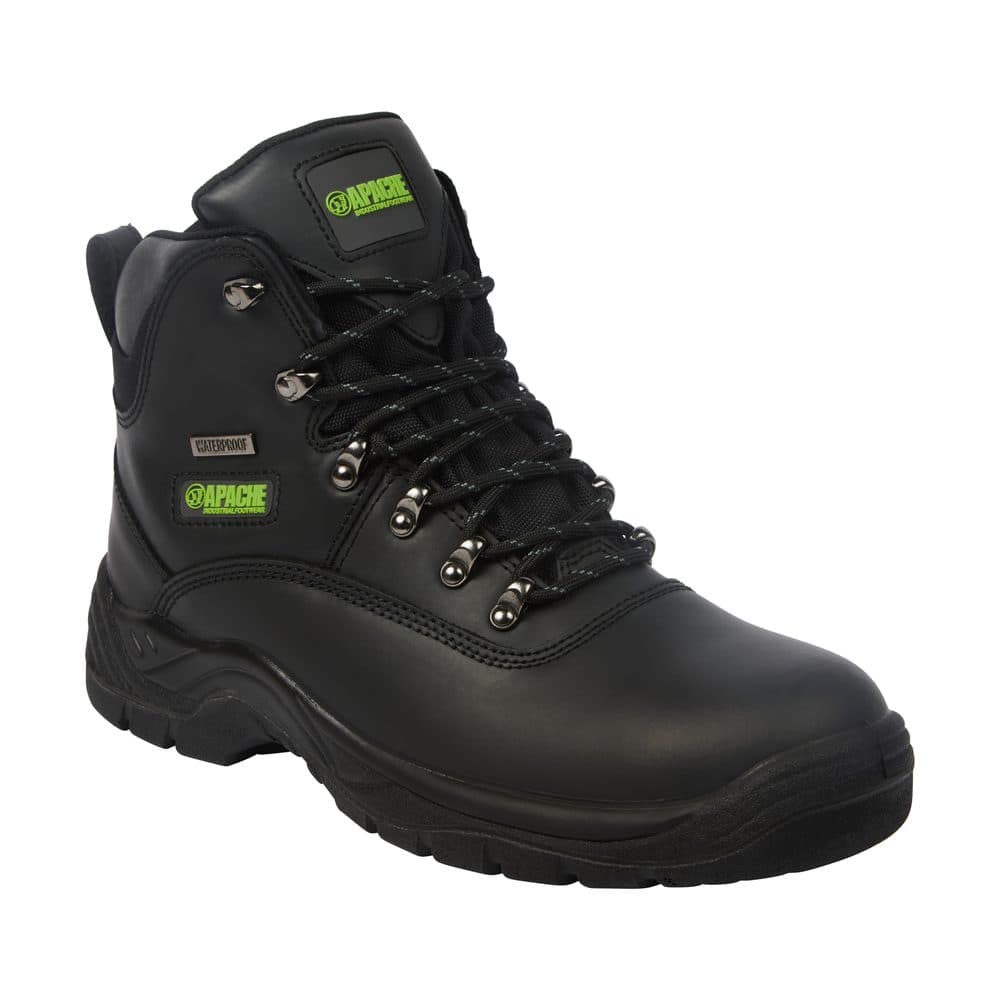
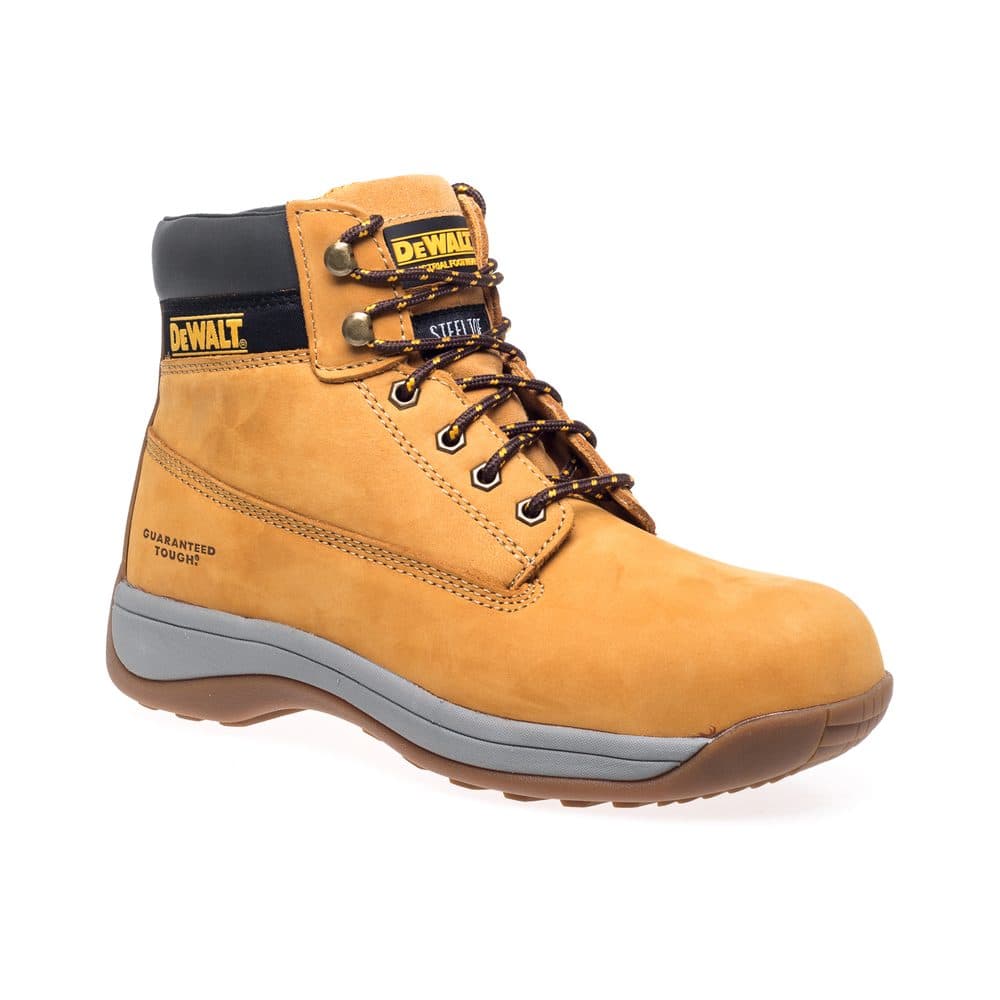
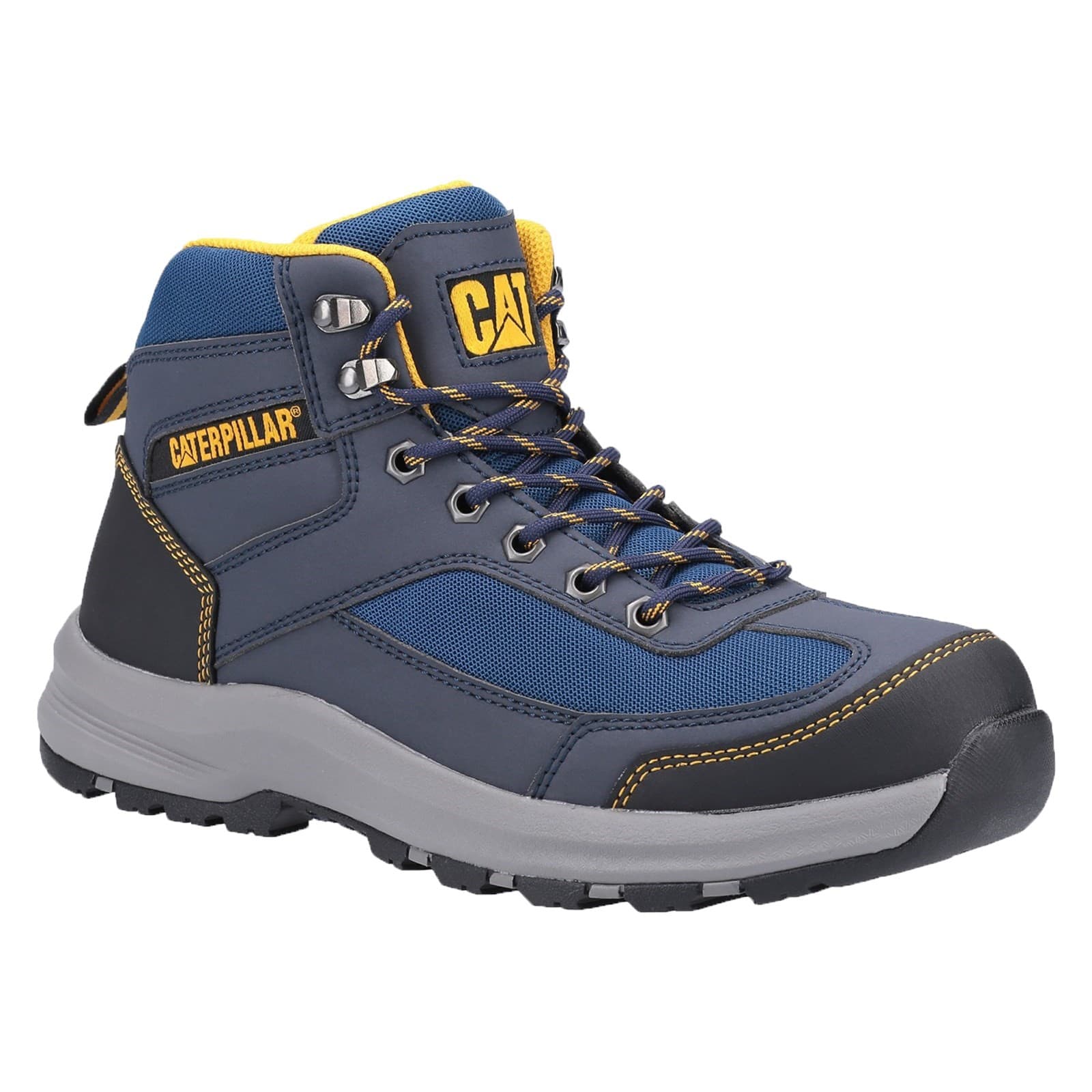
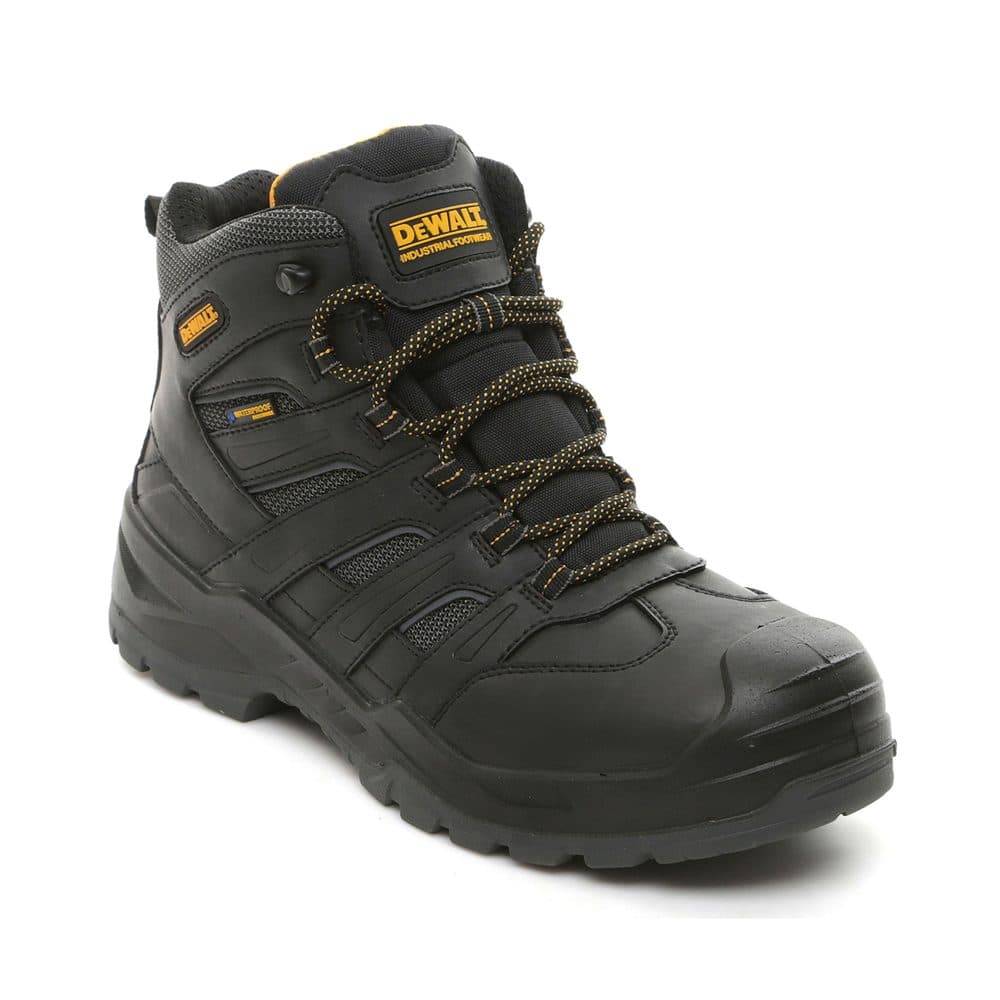
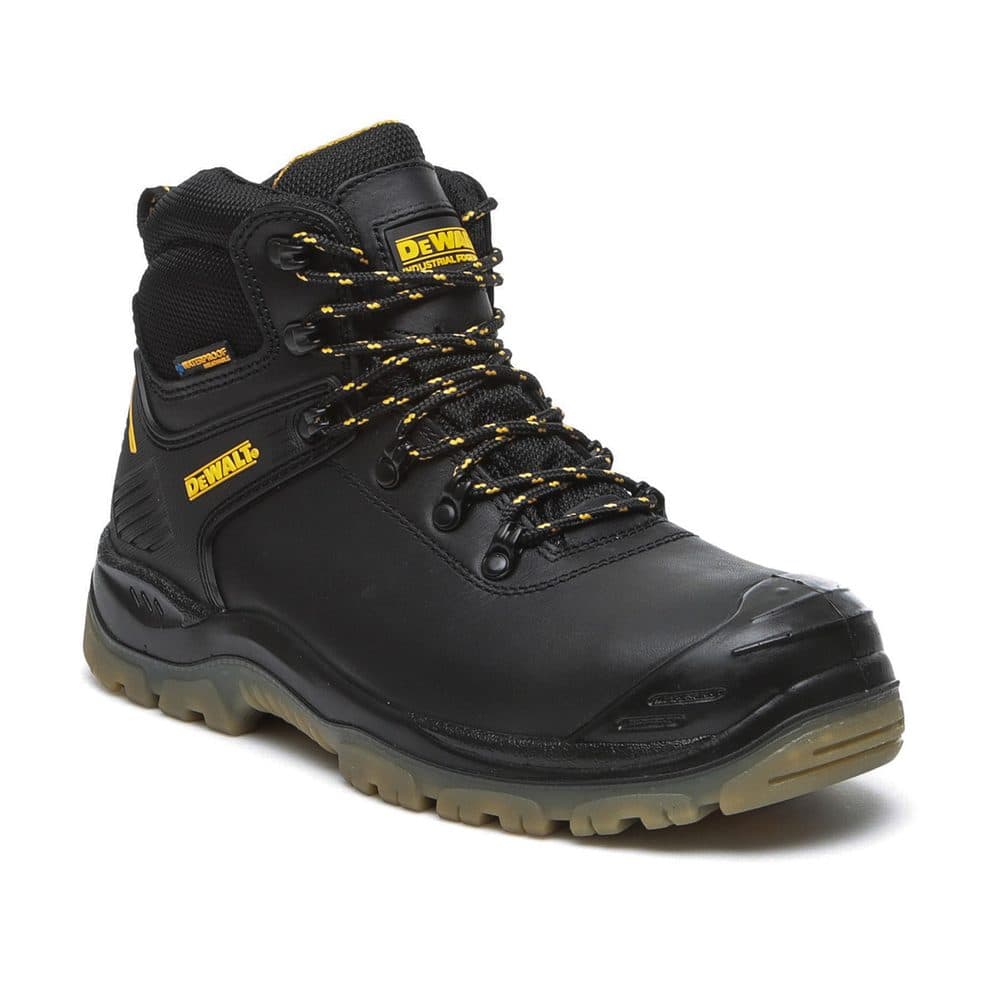
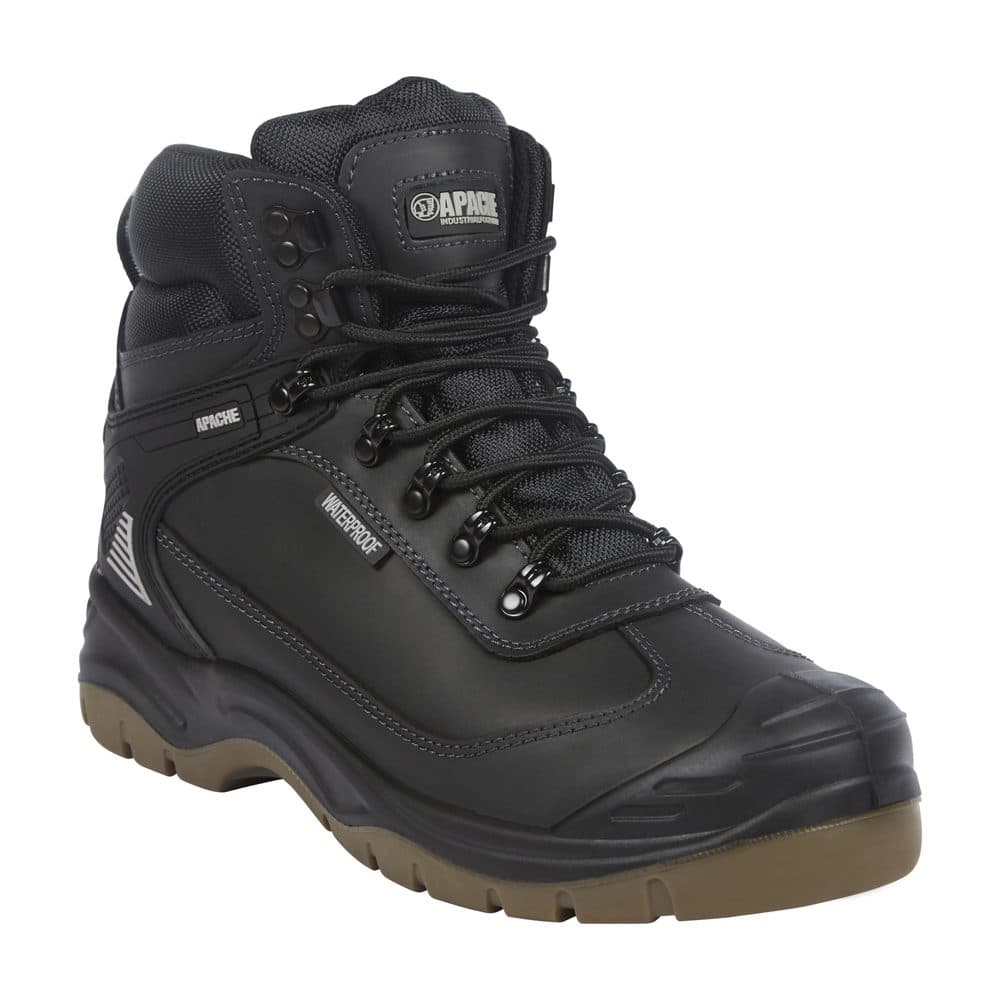
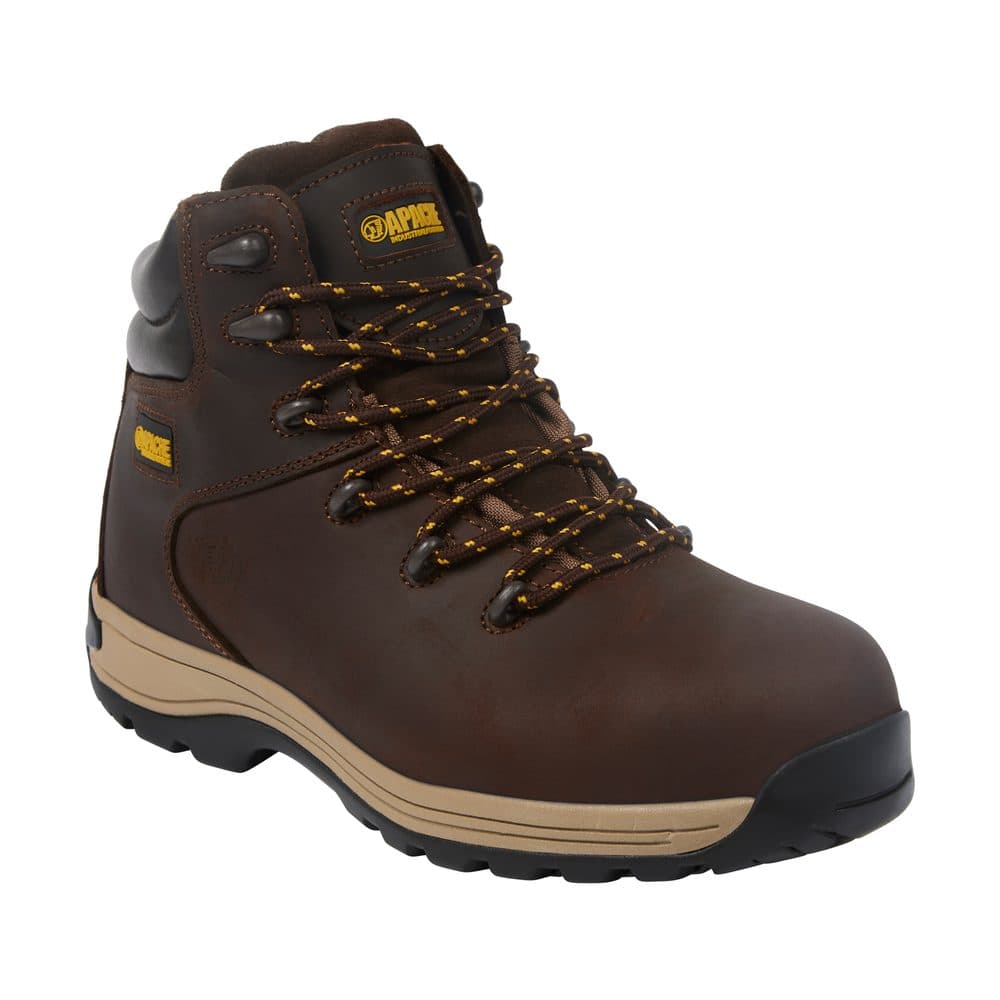
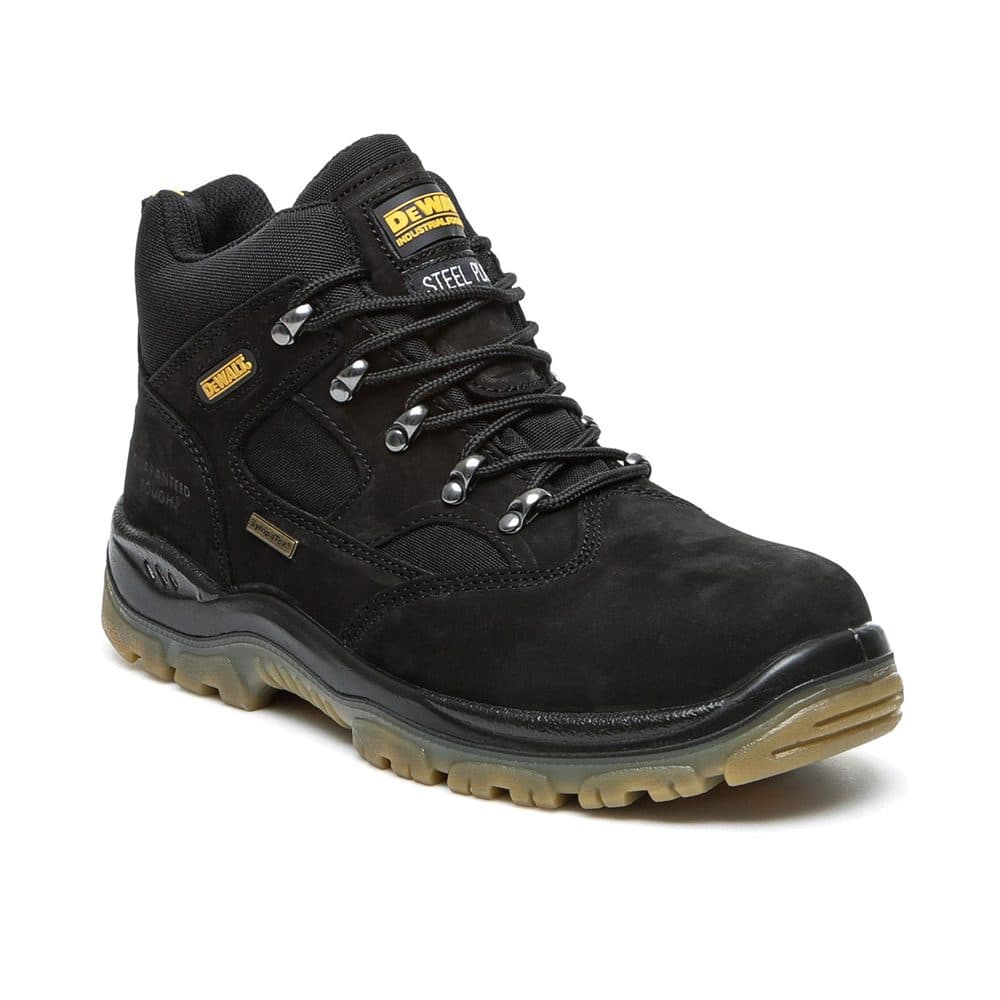
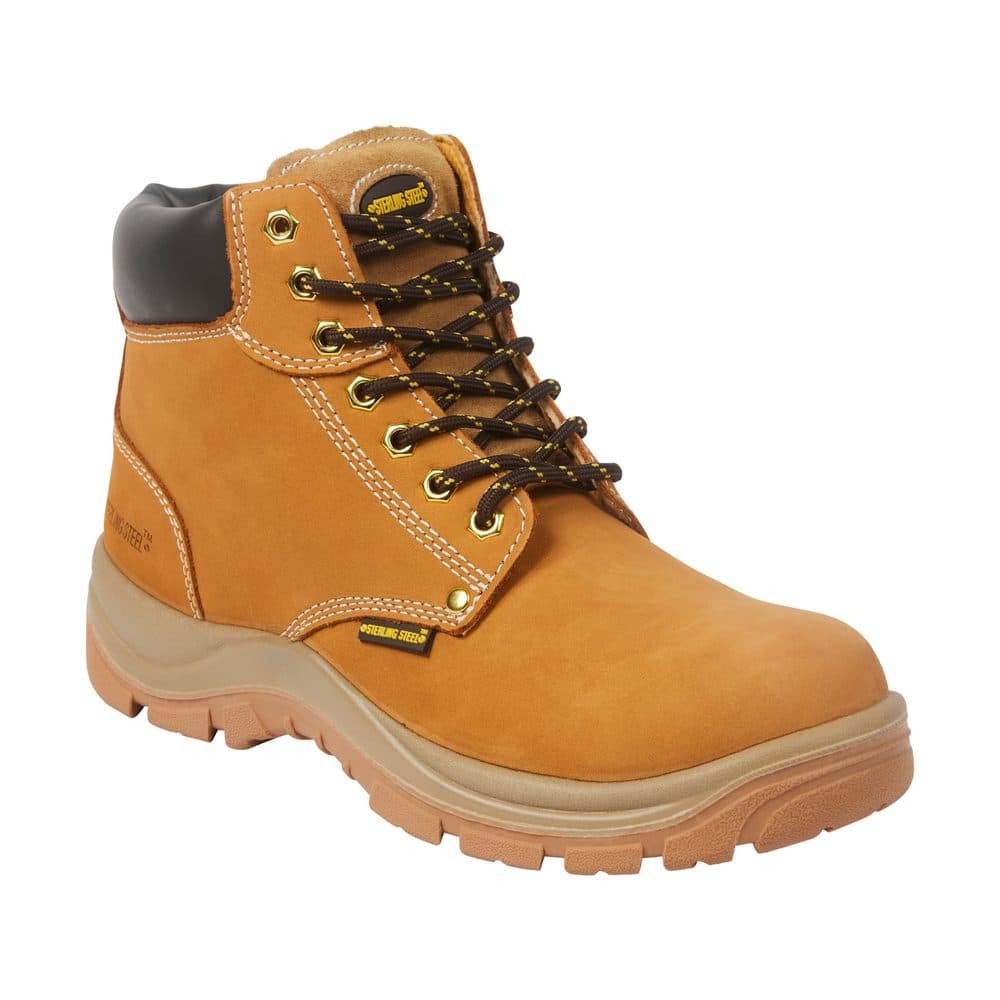
A hiker is a safety boot built on walking boot geometry rather than industrial boot geometry. You get a padded collar and a higher, softer ankle cuff, a lugged outsole with deeper tread blocks for loose ground, speed-lacing hooks at the top of the lacing so you can get in and out quickly, and a lighter midsole that flexes with a normal stride. It is the style to pick when the job means covering ground all day on uneven or muddy sites rather than standing in one place, which is why groundworkers, surveyors, utilities engineers, forestry crews and anyone working across open sites keep coming back to it. Check the individual product page for its safety rating and manufacturer certification details. We hold 60 hiker styles ready to order.
The difference is in the ankle and the tread. A hiker has a padded, higher collar that supports the ankle on uneven ground without digging in, and a deeply lugged outsole that clears mud and bites into loose spoil instead of skating over it. The flex point sits where your foot actually bends. If you walk several miles a day across a site, that combination is far less tiring than a flat-soled derby boot. We hold 60 styles.
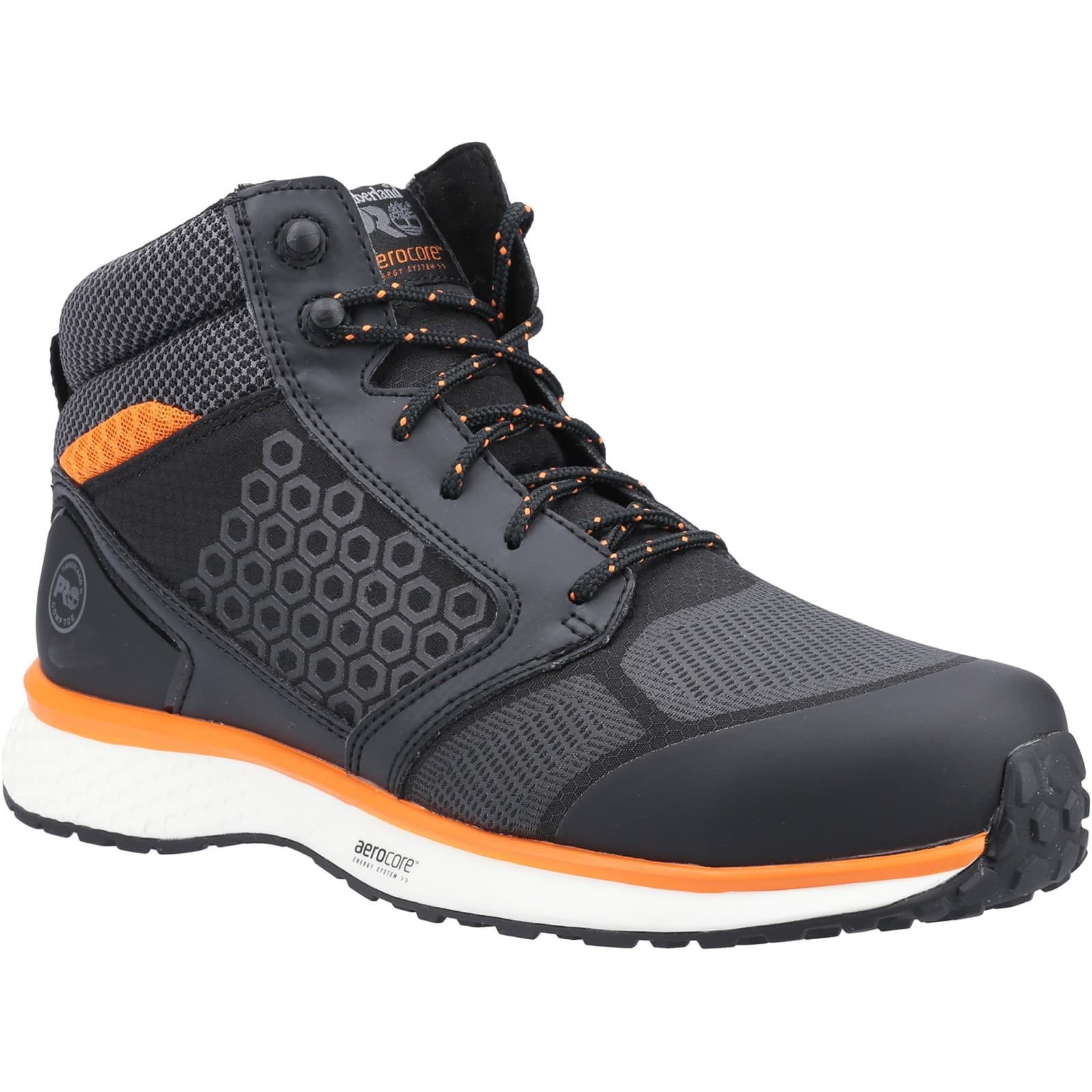
Most modern hikers use a composite toecap and a textile penetration-resistant midsole rather than steel, which takes noticeable weight off each foot and removes the cold spot you get over a steel cap in winter. Non-metallic builds also pass through metal detectors cleanly, which matters on airport, rail, distribution and secure sites. Check the individual product page, because a handful of traditional leather hikers here still use a steel toecap and steel midsole by design.
S1P is a lighter, non-waterproof build with a toecap, antistatic properties and a penetration-resistant midsole, suited to dry summer groundwork. S3 adds a water-resistant upper and a cleated outsole and is the usual all-year choice. S7 and S7S go further with a fully waterproof boot tested by walking through water, so rain and wet grass stay out through a whole shift. S3S and S7S come from the 2022 revision of EN ISO 20345, where the S suffix marks a non-metallic penetration-resistant insert.
Mid-cut hikers around 5 to 6 inches give ankle support while still letting you kneel and climb ladders comfortably, and they are the safe default. Nubuck and suede uppers are lighter and break in fast but need regular proofing. Full-grain leather lasts longer on abrasive ground. Mesh panelled hikers breathe best in summer but should be paired with a waterproof membrane if you work in wet conditions. Match the upper to the season you wear them most.
Boots
Boots
Boots
Boots
Boots
Boots
Boots
Boots
Boots
Boots
Boots
Boots

Waterproof Footwear

Boots

Boots

Boots
Boots

Boots
Boots

Boots

Waterproof Footwear

Boots
Boots

Waterproof Footwear
Hiker safety boots borrow their shape from walking boots and their protection from industrial footwear. The visible differences are the padded scree collar around the ankle, the two-stage lacing with eyelets low down and open hooks at the top, and the aggressive lug pattern on the outsole. The less visible ones matter more day to day: a hiker is usually built on a cushioned midsole with a defined heel and forefoot flex, so the boot moves with a walking gait instead of resisting it. That is why they suit groundworks, utilities, surveying, highways, forestry, agriculture and estate work, where the day is spent covering ground rather than standing on a fixed spot. For scaffolders and anyone who needs to get boots on and off repeatedly, a pull-on style from our rigger boots collection is usually the better answer, and for indoor or warehouse work a low-profile option from our safety trainers collection will be lighter still.
Start with the rating, then the upper, then the fit. If your site is wet for most of the year, go straight to a waterproof build and compare the options in our waterproof safety boots collection, because a water-resistant S3 upper holds out a shower but a fully waterproof S7 or S7S boot is tested by walking through water and is what you want in standing mud. If you pass through metal detectors or want the lightest possible boot, choose a composite toecap and a non-metallic midsole and browse our metal-free safety footwear range. Hikers run differently to standard safety boots on fit: the padded collar takes up volume around the ankle, and several brands here cut their hikers narrower through the midfoot than their derby boots, so if you are between sizes or need a wider last, read our size and fit guide first and look at the wide fit safety boots before you order. Qualifying safety boots bought for your own use at work carry no VAT, confirmed with one tick at checkout.